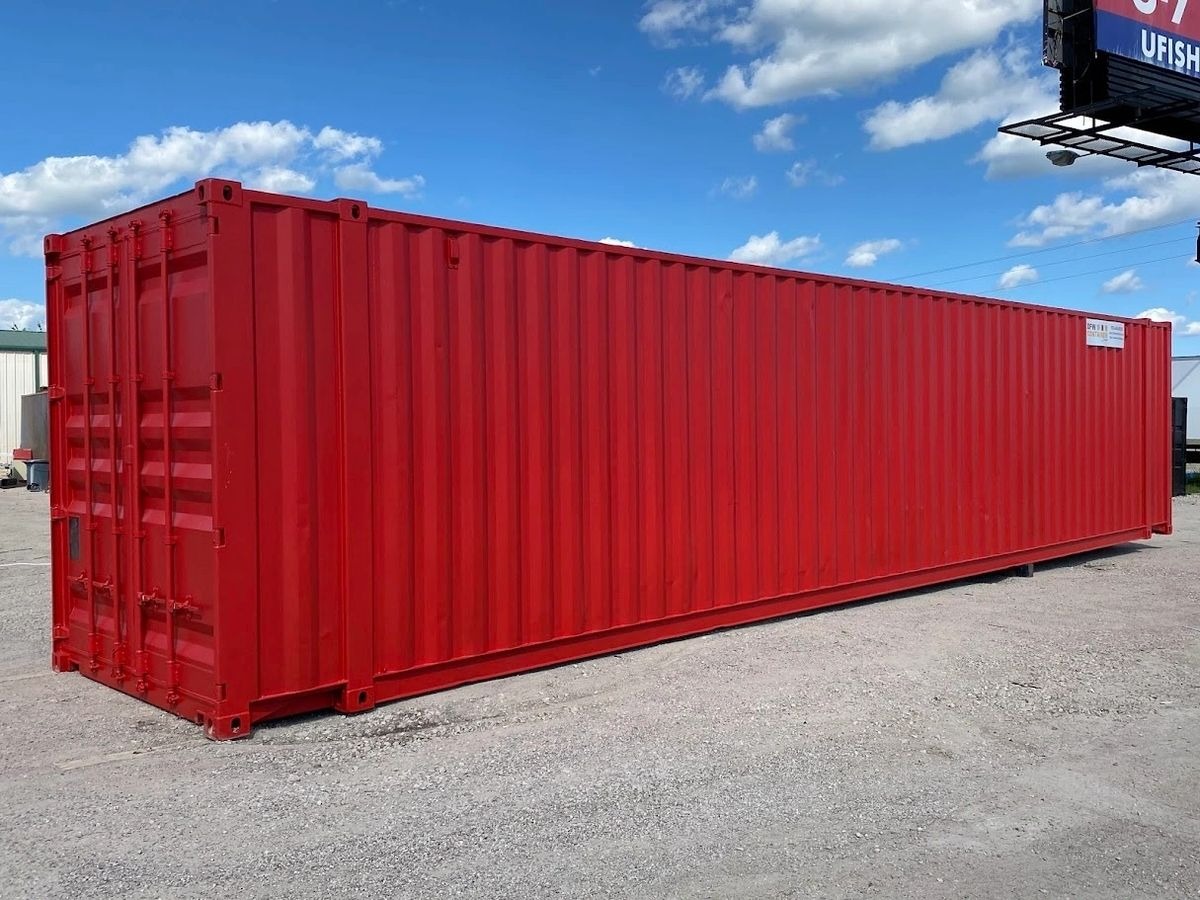
Shipping Container Offices: A Sustainable Solution for Modern Workspaces
As companies check out ingenious solutions for work area design, shipping container workplaces have actually become a popular and viable alternative. Integrating sustainability, cost-effectiveness, and flexibility, these structures are acquiring recognition in numerous sectors, from start-ups to educational institutions and construction business. This post will look into the benefits, difficulties, and overall pattern of utilizing shipping containers as offices, total with insights and a comprehensive FAQ area.
What is a Shipping Container Office?
A shipping container office is an innovative workspace developed from repurposed shipping containers. These metal boxes, at first developed for transferring goods throughout the seas, can be transformed into functional office with the right modifications. They can be modified extensively to include windows, doors, insulation, and total electrical and plumbing systems.
Table 1: Key Features of Shipping Container Offices
| Function | Description |
|---|---|
| Eco-Friendly | Upcycling containers minimizes waste and promotes sustainability. |
| Cost-efficient | Lower costs compared to conventional builds; less time and labor required. |
| Modular Design | Easily expandable and personalized based upon needs. |
| Portable | Containers can be transferred if business needs modification. |
| Quick Setup | Fast to construct, with lead times frequently determined in weeks instead of months. |
Advantages of Shipping Container Offices
Shipping container offices include a range of benefits, making them a beneficial choice for businesses trying to find ingenious solutions.
1. Sustainability
Among the most significant advantages of shipping container workplaces is their environment-friendly nature. By repurposing existing products, businesses can minimize their carbon footprint and contribute to a circular economy. The ecological impact of conventional construction can be considerable; hence, shipping containers present an appealing alternative.
2. Cost Efficiency
Transforming a shipping container into an office is typically more affordable than building a standard structure. Cost cost savings stem from reduced raw material costs, shortened construction timelines, and lower labor costs. Organizations can designate their savings to other vital areas, such as marketing or worker advantages.
3. Versatility and Customization
Shipping container offices provide modular designs that easily adapt to particular needs. Whether you need a single container or multiple connected units to create a bigger substance, modifications can include heating and cooling systems, furnishings, and aesthetic improvements.
4. Portability
In an age where business dynamics can change quickly, the capability to relocate is invaluable. Shipping container workplaces are portable and can be relocated to different places as business needs progress. This flexibility is ideal for companies in construction, occasions management, or those regularly altering locations.
5. Quick Setup
Container workplaces can typically be constructed in a fraction of the time it takes to erect conventional structures. With lead times frequently lowered to weeks, this can benefit businesses that need to scale rapidly or begin operations rapidly.
Table 2: Common Uses of Shipping Container Offices
| Application | Description |
|---|---|
| Momentary Offices | Perfect for construction websites or pop-up companies. |
| Mobile Classrooms | Suitable for universities looking for flexibility. |
| Remote Workspaces | Provides necessary facilities in remote areas. |
| Pop-Up Shops | Ideal for retail environments desiring a short-lived presence. |
| Event Management | Quick setup for occasions requiring office space on-site. |
Obstacles of Shipping Container Offices
While shipping container offices offer many benefits, there are also challenges that organizations ought to consider.
1. Zoning Regulations
Local zoning laws may pose obstacles for utilizing shipping containers as workplaces. Companies must browse regulations regarding land usage, zoning compliance, and structure authorizations. It's a good idea to work carefully with local authorities before proceeding with any plans.
2. Insulation and Ventilation
While shipping containers are robust, they can become extremely hot or cold without proper insulation. Services require to buy high-quality insulation and sufficient ventilation systems to maintain comfort for staff members.
3. Aesthetic Concerns
Transforming a repurposed shipping container into an enticing office environment can need substantial effort, including additional design elements such as paint, landscaping, and interior home furnishings.
4. Security Issues
Shipping containers supply a certain level of security because of their rugged construction. However, they can also attract theft and vandalism if not protected effectively. Additional measures, such as security video cameras and locks, may be needed.
Table 3: Common Challenges of Shipping Container Offices
| Obstacle | Description |
|---|---|
| Zoning Regulations | Irregularity in local laws can prevent container usage. |
| Insulation Needs | Need to be properly insulated for temperature level control. |
| Aesthetic Enhancement | Needs additional design work for a pleasant environment. |
| Security Concerns | May draw in attention without sufficient security steps. |
In the ever-evolving business landscape, shipping container workplaces present an engaging option to traditional office areas. With advantages such as sustainability, cost efficiency, and versatility, business can harness these structures to accommodate their varied needs. While there are difficulties to think about, mindful planning and execution can lead to a successful application of this innovative workspace service.
FAQ
1. Are shipping container workplaces weatherproof?Yes, shipping containers are
designed to hold up against severe climate condition. Nevertheless, modifications such as insulation and ventilation are essential for ideal office conditions. 2. Just how much does it cost to convert a shipping container into an office?Costs can vary widely based upon the level of customization, products used, and any essential licenses. A basic setup might start around ₤ 10,000, but extensive modifications can increase expenses considerably. 3. Can shipping containers be stacked?Absolutely! Shipping containers can be stacked safely to create multi-level office areas, offering extra square video footage in a
compact footprint. 4. How long does it take to develop a shipping container office?Typically, constructing a shipping container office can take anywhere from a few weeks to a couple of months,depending on the extent of the modifications needed. 5. Do shipping Shipping Container Marketplace require foundations?While they are strong enough to rest on a level surface, constructing a foundation can offer stability and elevate the structure, especially in flood-prone areas. Shipping container offices illustrate how development and resourcefulness can improve modern-day work spaces, emphasizing a sustainable approach to business. As more organizations recognize the benefits of using what is easily available, the pattern of container workplaces is most likely to
continue broadening.